 Sophie Mathewson
Published on
Sophie Mathewson
Published on
Artist of the Month: Neville Talbot
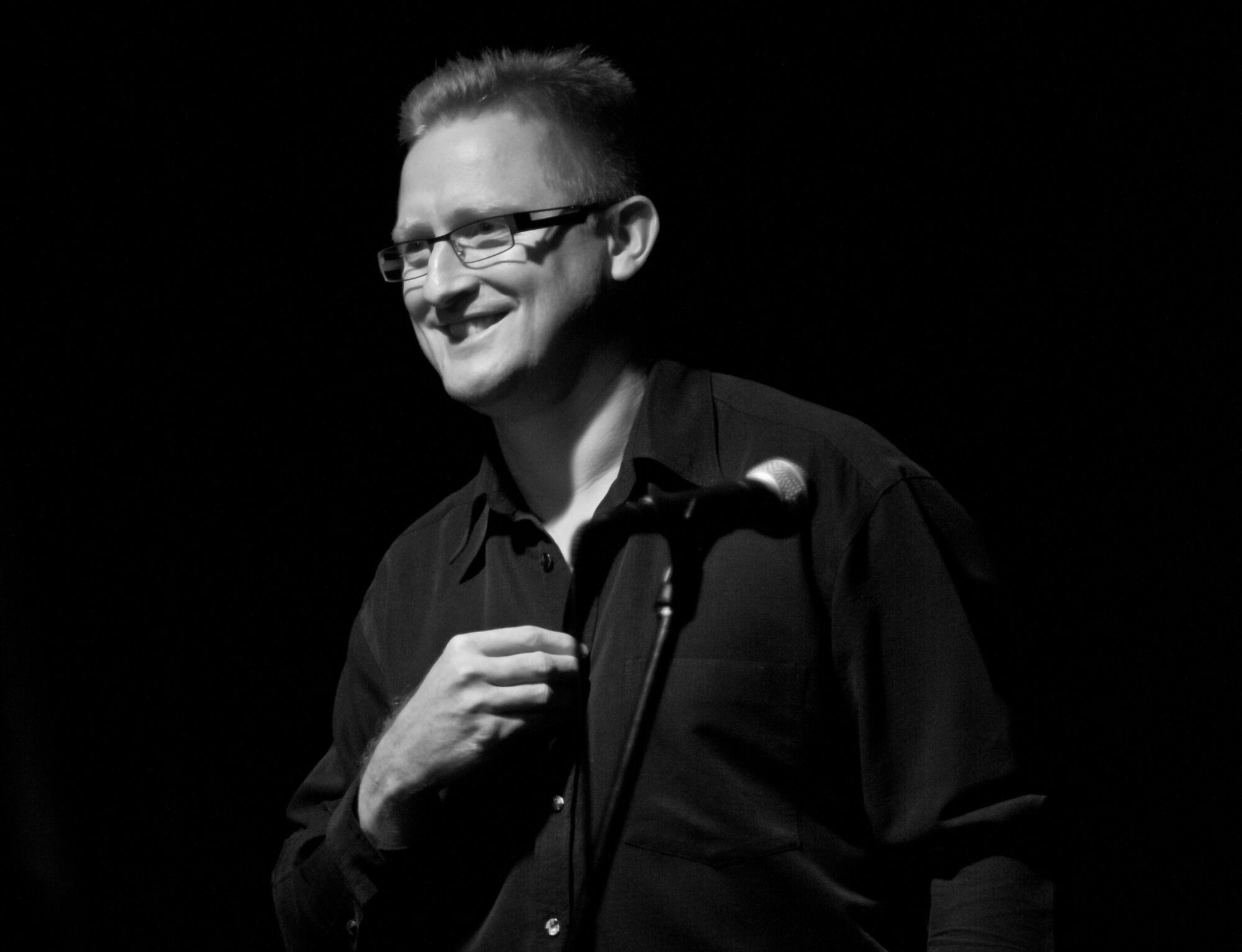
When I catch up with Neville Talbot, he’s just bumped out The Pirates of Penzance. If you’ve ever been involved in theatre, you’ll know the peculiar cocktail of emotions that follows a bump out. Within weeks, entire worlds have been built inside a rehearsal room, then performed, applauded, and packed into trailers. It’s depleting work – so by the time we sit down to chat, Neville is running on equal parts exhaustion and relief.
But it feels like a fitting time to meet him, because after learning about his interpretation of the comic opera, it seems to say more about him than any list of career achievements ever could.
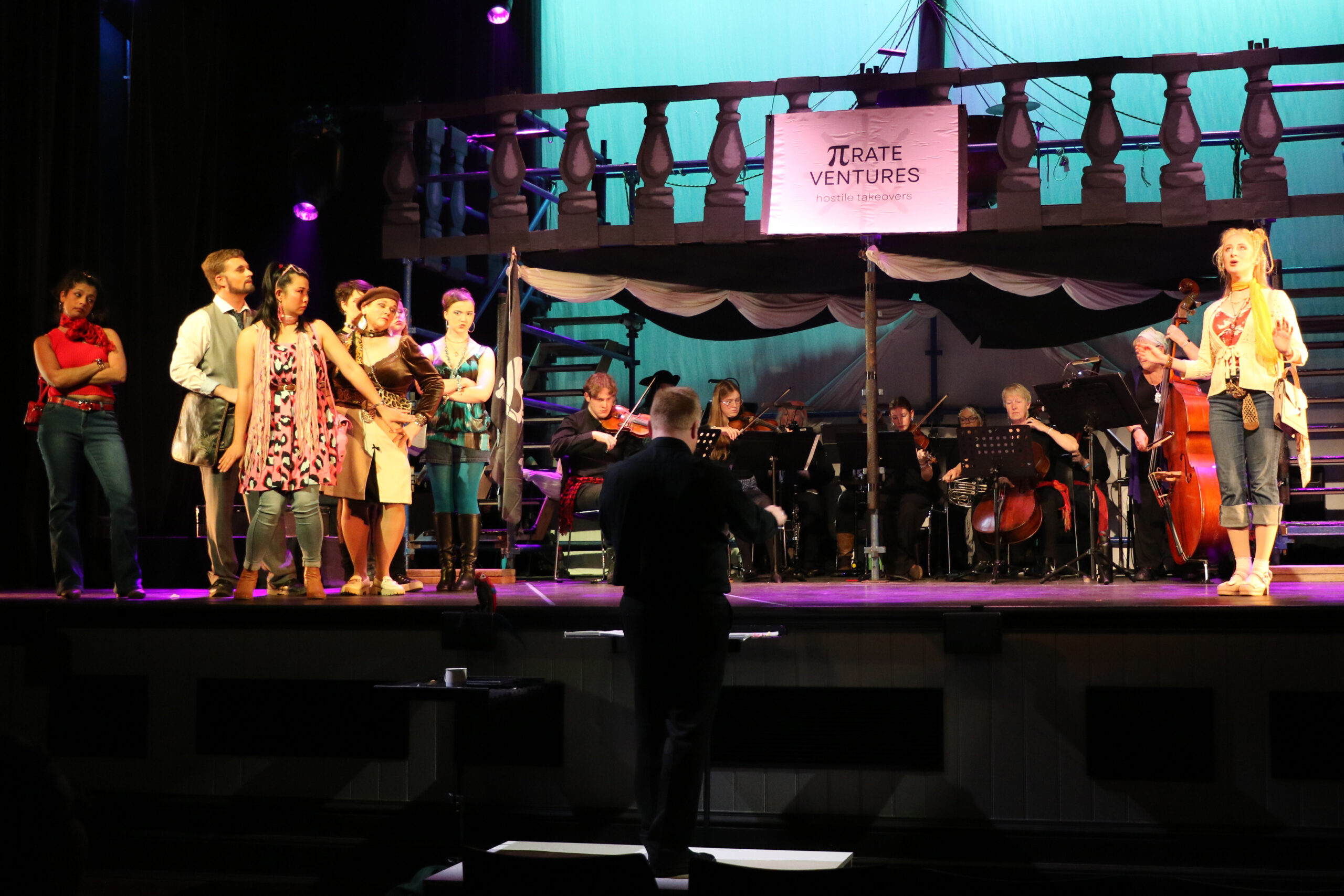
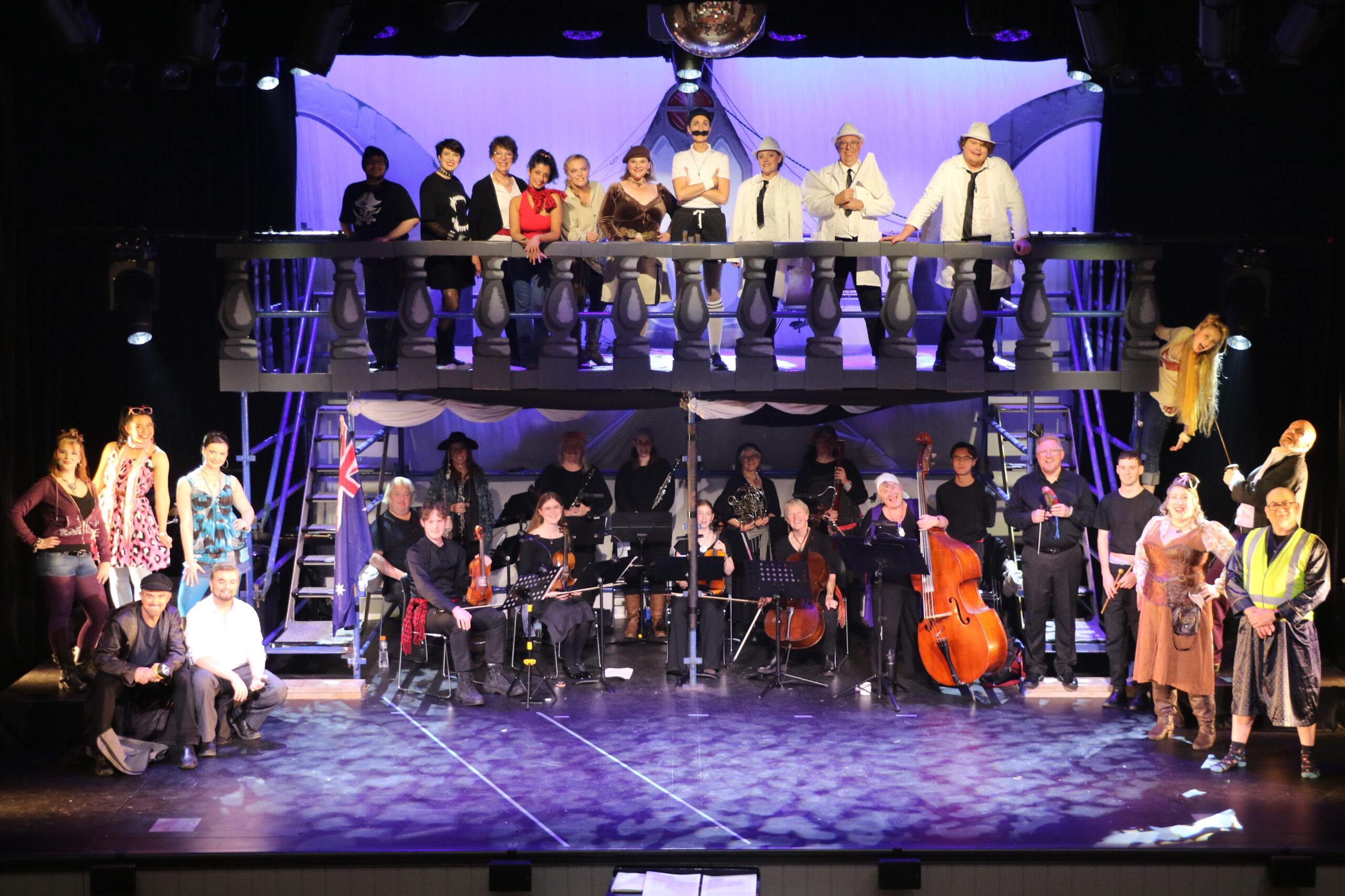
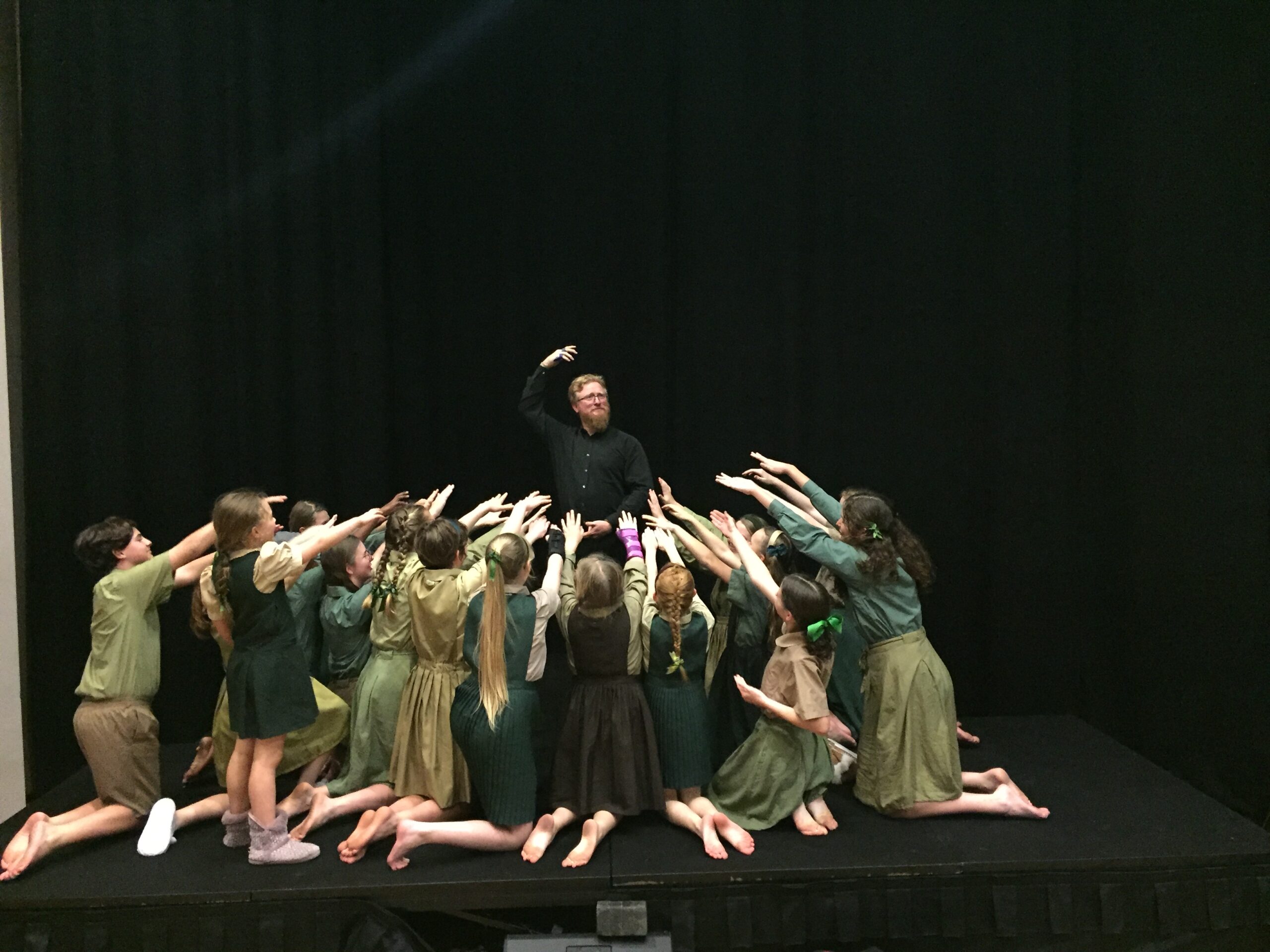
Gilbert and Sullivan’s production of The Pirates of Penzance has been delighting audiences since 1879, but producer Neville Talbot and director Fiona Kuiper weren’t especially interested in preserving it under museum glass. The original work, Neville explains, was never really about pirates anyway. “It was about status, ego and people who mistake authority for competence.” Looking around modern Australia, Neville and Fiona decided there was no shortage of fresh material.
On stage in the Albany Town Hall, the pirates became hedge fund managers, the Major-General acquired just enough Scott Morrison to make audiences grin in recognition, the daughters were thoroughly modern, navigating the world with social media savvy, and the police force was reimagined as a troupe of gloriously ineffective AFL umpires.
Neville tells me the cast weren’t asked to copy famous performances but instead were encouraged to build their characters from people they’d encountered throughout their own lives. They borrowed from people they’d worked with, politicians they’d watched on television, or personalities they’d encountered over the years. And in that process, Gilbert and Sullivan’s Victorian satire became unmistakably local and very much sharp-witted ‘Australian’ humour.
The conversation wanders from theatre to regional Australia, then back again. We talk about conducting, schools, orchestras and why some country towns seem to develop an unmistakable cultural confidence while others struggle to hold onto creative people. And pretty early on, I begin to suspect Neville might be a bit of a socialist.
Early Career Path
Neville was born in Tom Price before eventually finding his way to WAAPA, where he studied percussion. He arrived at a time when Perth’s arts scene was beginning to hum with possibility. John Butler was still busking, and Tim Minchin was making his way through WAAPA too. Independent theatre companies were springing up, and musicians were increasingly deciding they didn’t have to wait for someone to hand them a job.
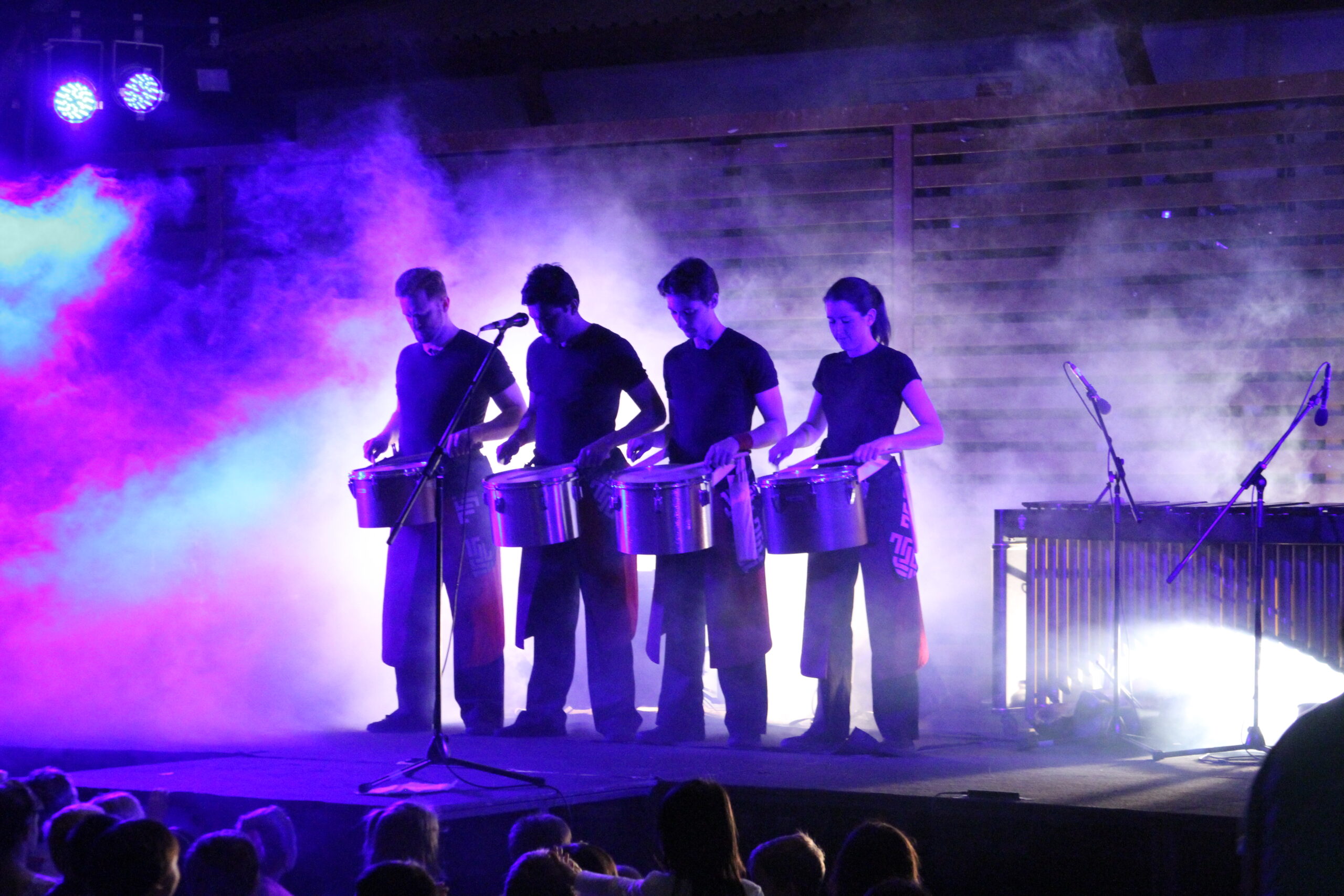
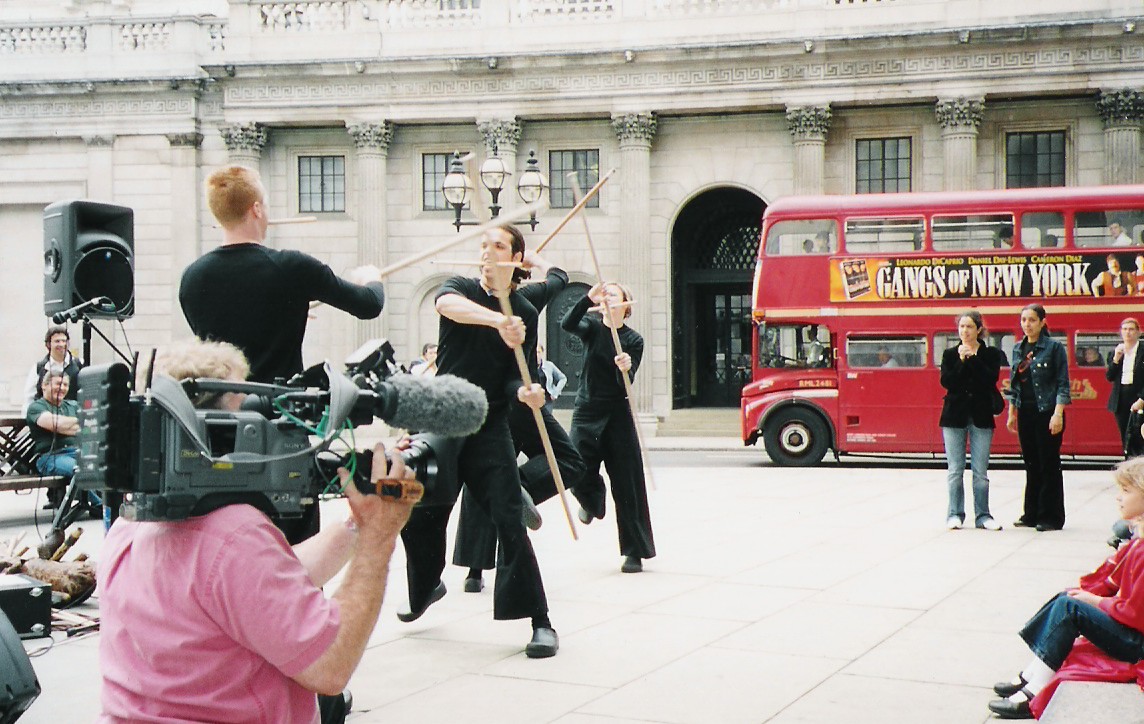
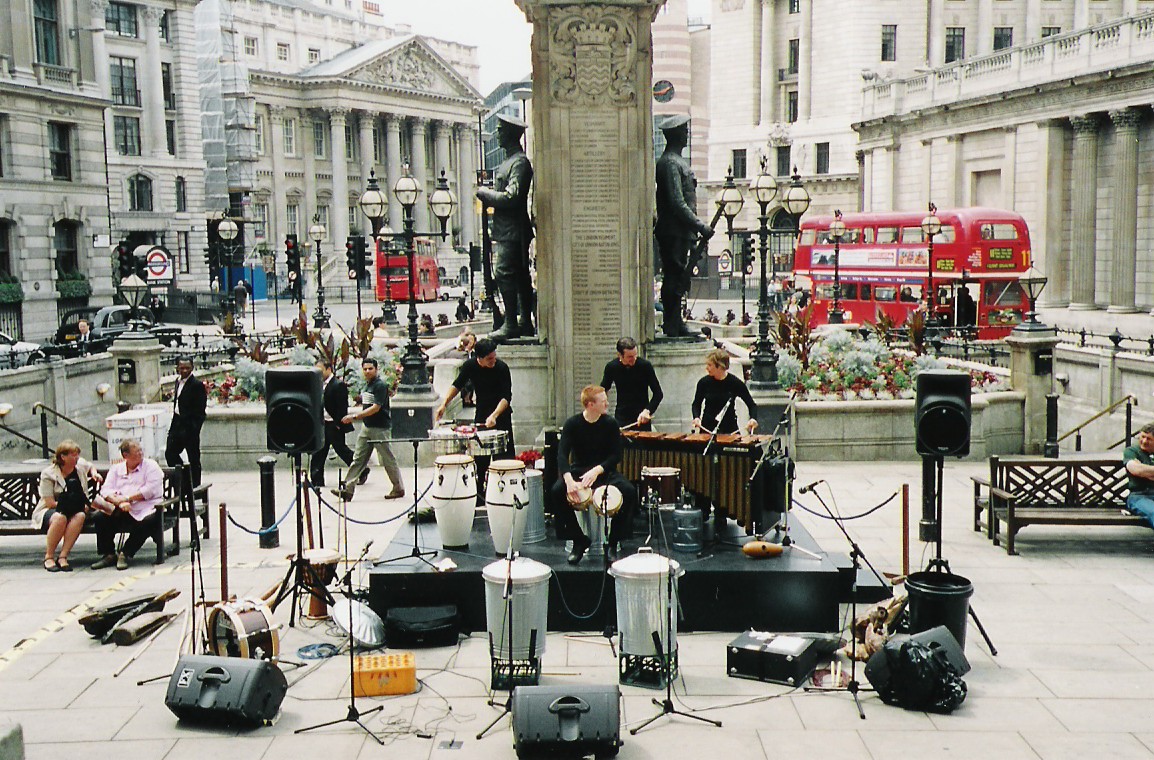
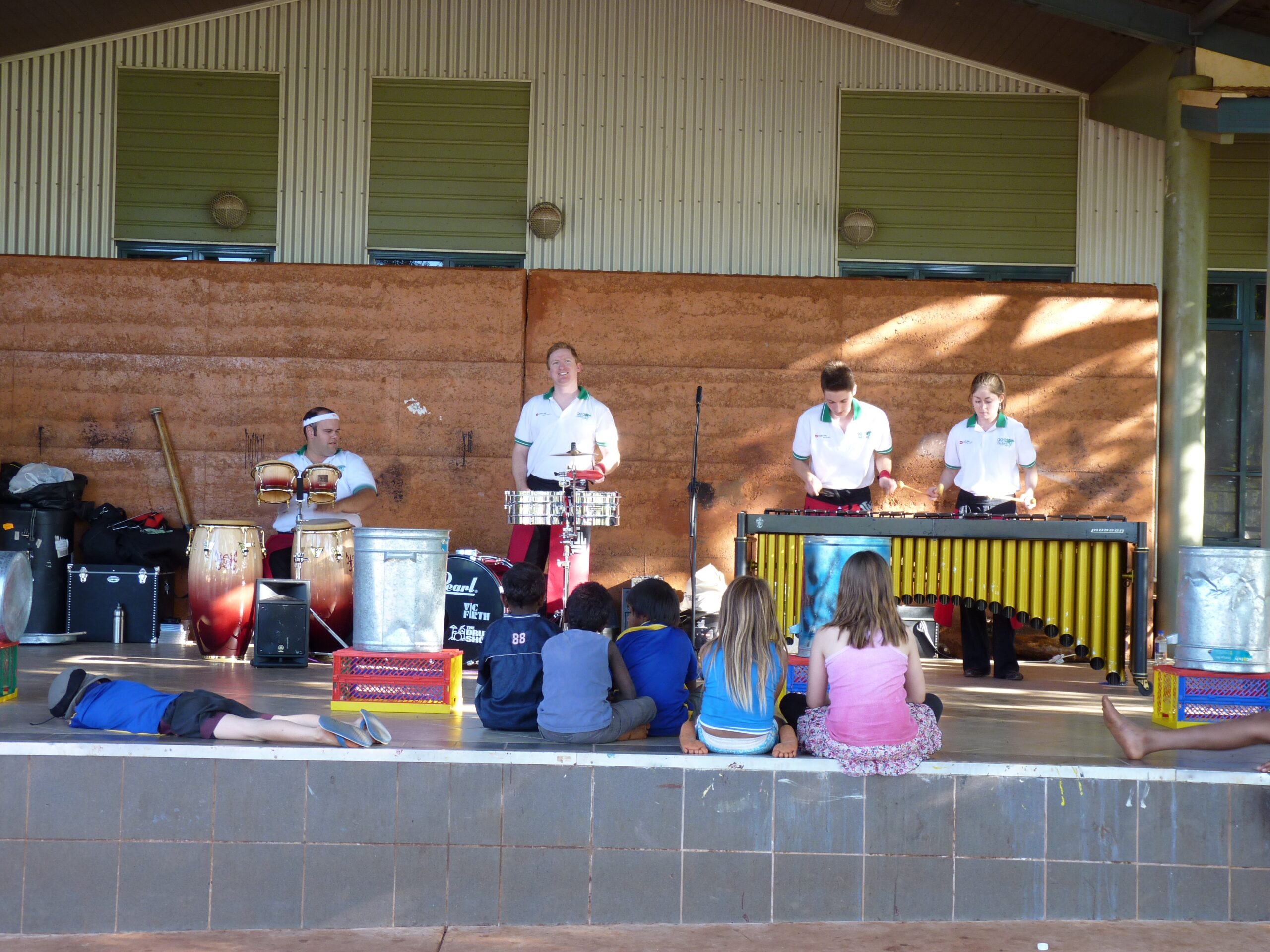
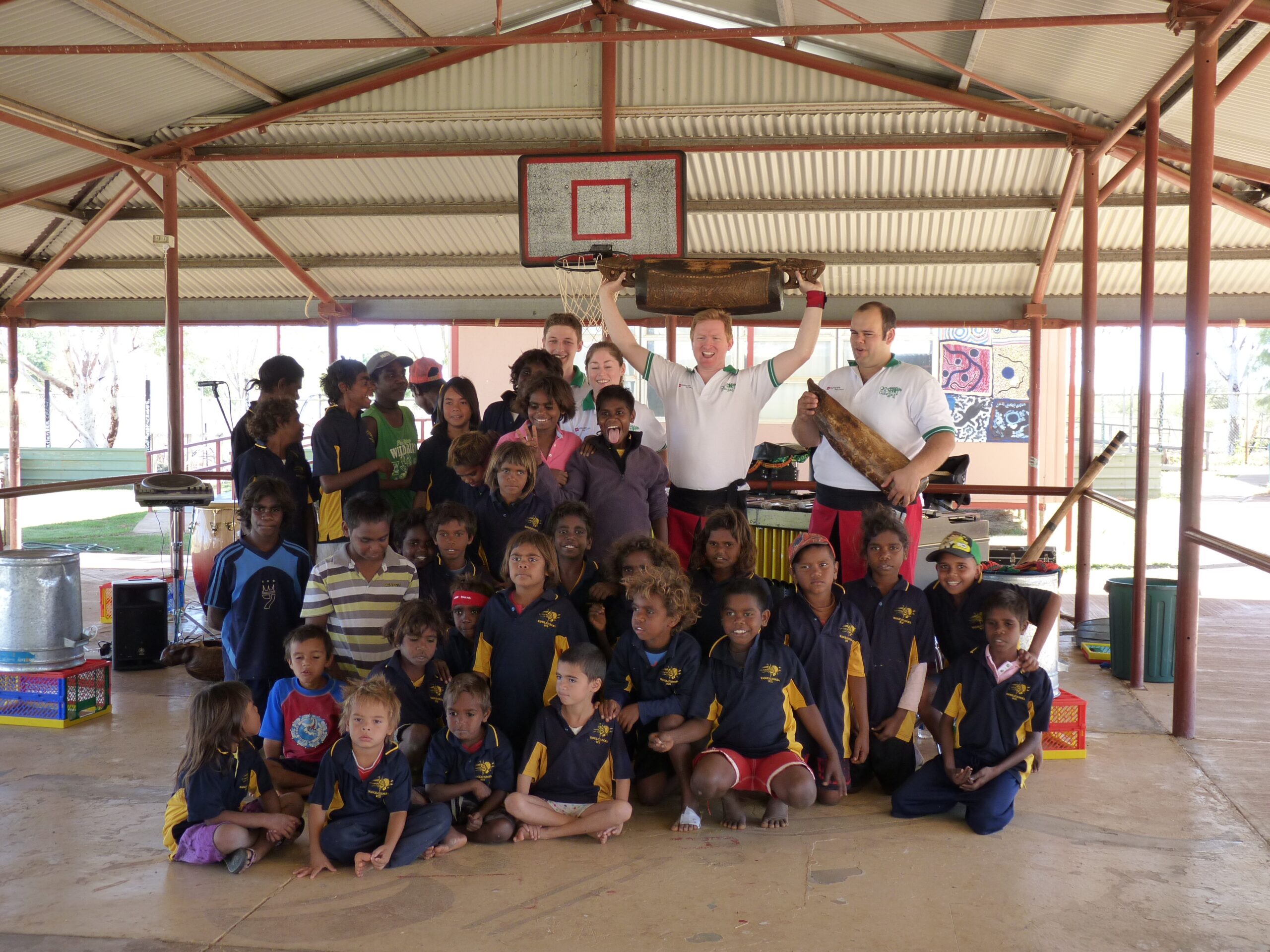
For percussionists, that was probably just as well. Australia has never had an abundance of orchestral percussion positions, and Neville quickly realised that waiting for somebody to retire wasn’t much of a career plan. So, together with fellow musicians, he co-founded ‘Tetrafide Percussion’, an ensemble that would spend the next two decades touring internationally.
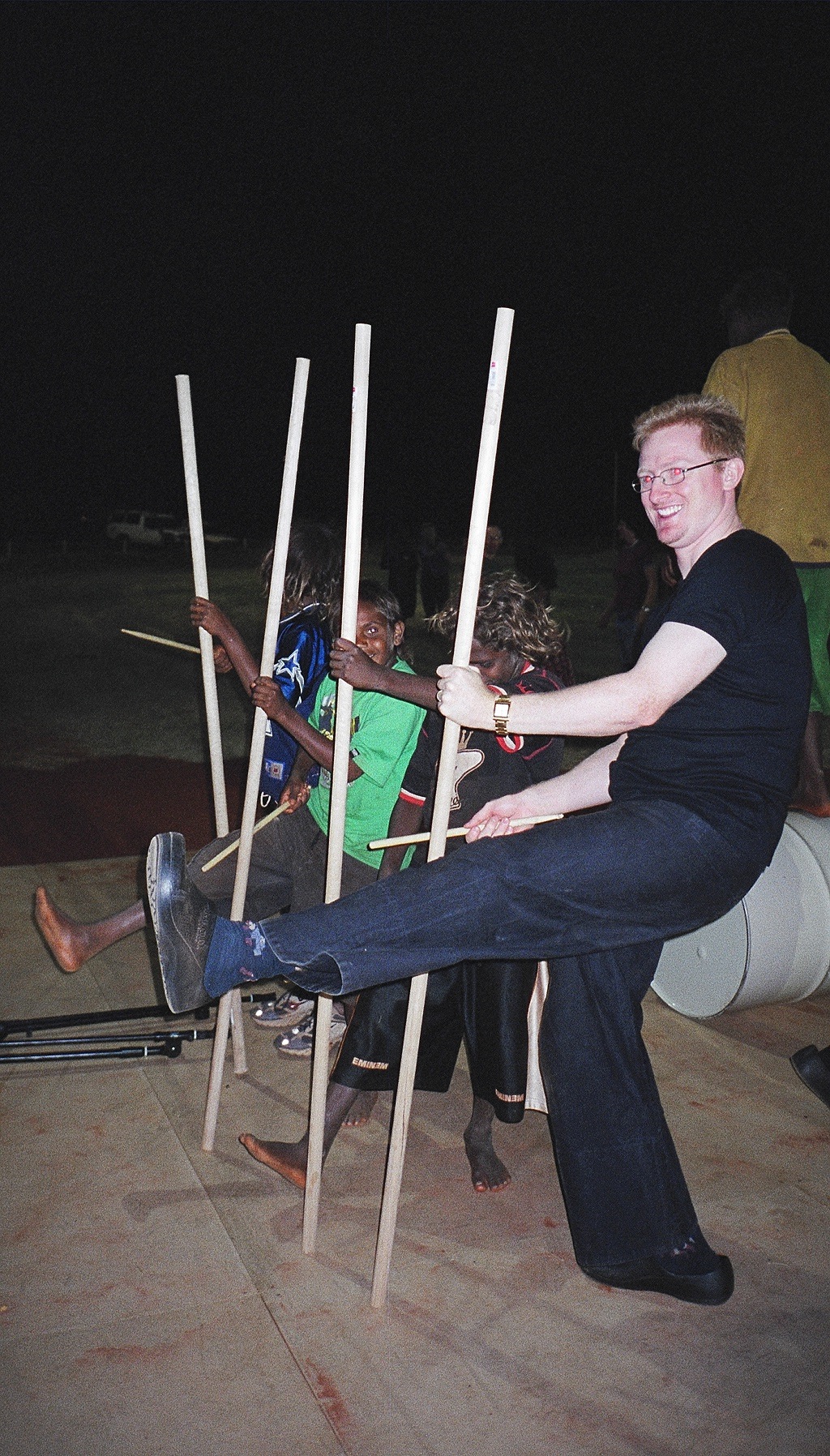
Looking back, Neville speaks about the freedom of those years. With Tetrafide Percussion, he found himself performing everywhere from regional theatres to international festivals, collaborating with organisations including the Perth Festival, Musica Viva, DFAT, and even Cirque du Soleil. Alongside that, he freelanced as a percussionist with the West Australian Symphony Orchestra (WASO) through the 1990s and early 2000s, and sang with WA Opera for almost a decade. Rather than following a neat orchestral career ladder, Neville built a career from an ever-changing mix of projects, collaborations and opportunities. It was eclectic, entrepreneurial and, in many ways, distinctly Australian.
For all the kilometres travelled though, some of Neville’s fondest memories happened much closer to home, in country halls and community theatres. So, in many ways, it was probably inevitable that Neville would eventually settle in a regional town.

On life in Albany
Neville, his wife, and their two young children at the time – eventually packed up and moved to Albany. Nev jokes they’re now “firmly embedded in the granite.” He explains that right now Albany is on the precipice of step-change. It’s growing, attracting new people and new ideas, but it also has the opportunity to shape what kind of regional city it wants to become.
“Grown-up cities have a thriving arts culture” he says, and it’s a logic that he returns to several times throughout our conversation. Neville believes that culture can only really flourish when there are enough people around to keep making it. Long after the touring productions have packed up and driven back to Perth, it’s community choirs, brass bands, amateur orchestras and local theatre groups that carry the torch. And he points out that this is where the overwhelming majority of music in Australia is actually made.
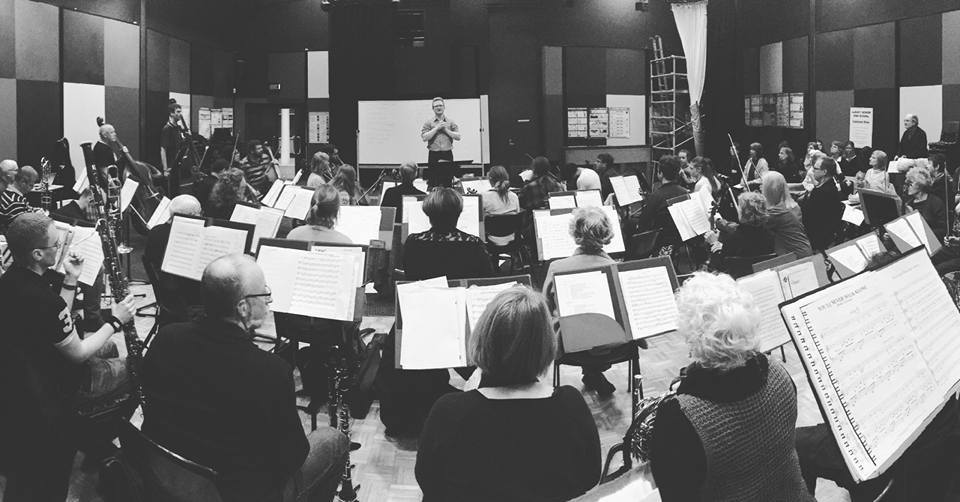
This observation led Neville to notice a concerning gap that has existed for years. Despite community orchestras and choirs thriving in the regions (largely sustained by remarkable volunteers), the pathway for developing conductors has remained surprisingly thin. There are excellent training opportunities for aspiring conductors in schools and at the elite end of the profession, but far less attention has been paid to the people standing in front of community ensembles every Tuesday night, keeping music alive in towns like Albany.
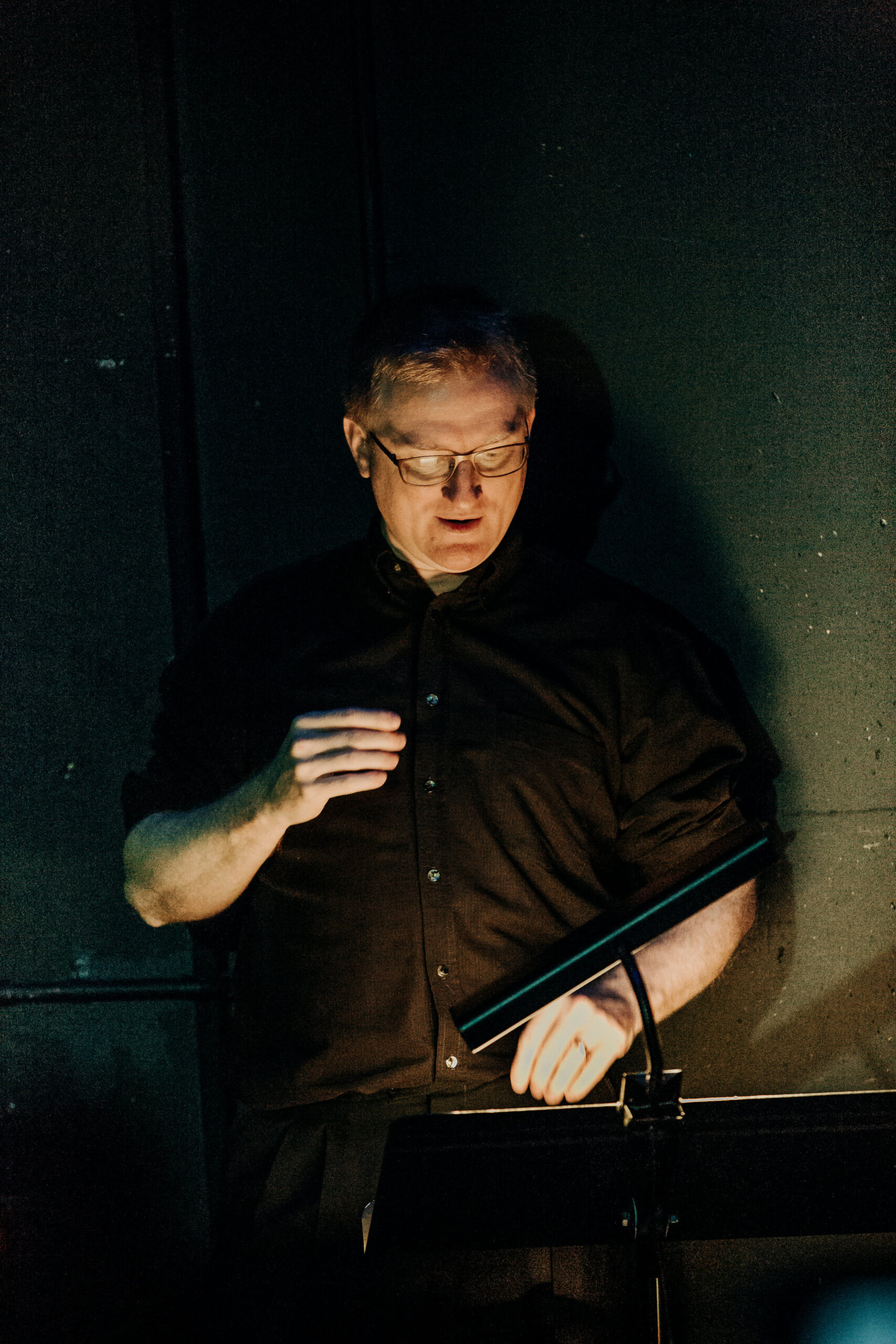
His solution is to have experienced conductors mentor emerging ones in front of real ensembles. Rather than sitting in a room talking about conducting, participants will work alongside experienced mentors, stepping in front of community orchestras, choirs and concert bands, gradually taking rehearsals and learning how to communicate with musicians in real time. They’ll observe, they’ll make mistakes, and they’ll receive feedback from the people sitting in front of them. It’s an extremely practical model, and Neville believes that’s the only way it really works. He admits that his bookshelf is full of conducting texts he still hasn’t read.
“I’ve been too busy standing on a podium making mistakes,” he laughs.
The hope is that, over time, those conductors will become teachers themselves, strengthening the cultural fabric of regional towns from the inside rather than relying on expertise arriving from elsewhere.
From Percussion to Conducting
This mentoring role seems to be something Neville is uniquely placed to lead, although it isn’t the career he imagined for himself. For most of his working life, he was known as a percussionist. He had built a remarkable career around performance, touring internationally with Tetrafide Percussion and playing with WASO. Then, seven years ago, a workplace accident changed the arithmetic when Neville tore the ligaments in both of his wrists.
Five operations followed, and rehabilitation has now become a part-time occupation for Nev. It’s been confronting to learn along the way that his injury isn’t something he can fully recover from. The damage is permanent, and the prognosis progressive. But Neville doesn’t tell the story with much self-pity. If anything, he sounds more curious than bitter.
At 51, he has found himself asking what the final act of his working life might look like if percussion is no longer going to occupy centre stage. And so conducting has become the next chapter almost by necessity. He also continues to teach, and to sing, and more recently, he’s started thinking about dance as something he might take up.
The Passing on of Knowledge
It occurs to me that most of us spend our lives trying to become experts. We cling to the things we know how to do, polishing them until they become part of our identity. Neville though, seems wired a little differently. Faced with losing the craft he’d spent decades mastering, his instinct has been to ask what else there is to learn.
And perhaps that’s why our conversation keeps drifting away from him. By the time we wrap up our chat, I realise we’ve spent almost an hour talking about everybody else. Neville’s mentioned his former students who are now making careers overseas, volunteers who somehow find time to rehearse after work and build sets on weekends, and an accountant who auditioned for a part and stunned everyone with his remarkable singing voice.
“How many more of those have we got in this town?” Neville chuckles – hoping that more public servants with hidden talents might audition for his next show.
Earlier I’d made an internal note to myself that Neville might be a bit of a socialist, but by the end of the conversation, I realise the label doesn’t really matter. What matters is that he has an almost stubborn belief in people, and in sharing knowledge and making sure opportunities don’t belong to the lucky few.
Perhaps that’s the real work Neville is doing. He’s conducting orchestras, certainly. Producing theatre too. But mostly, he’s building the sort of regional community where talent doesn’t have to leave town to flourish, and where an accountant might wander into an audition and discover he’d been a singer all along.
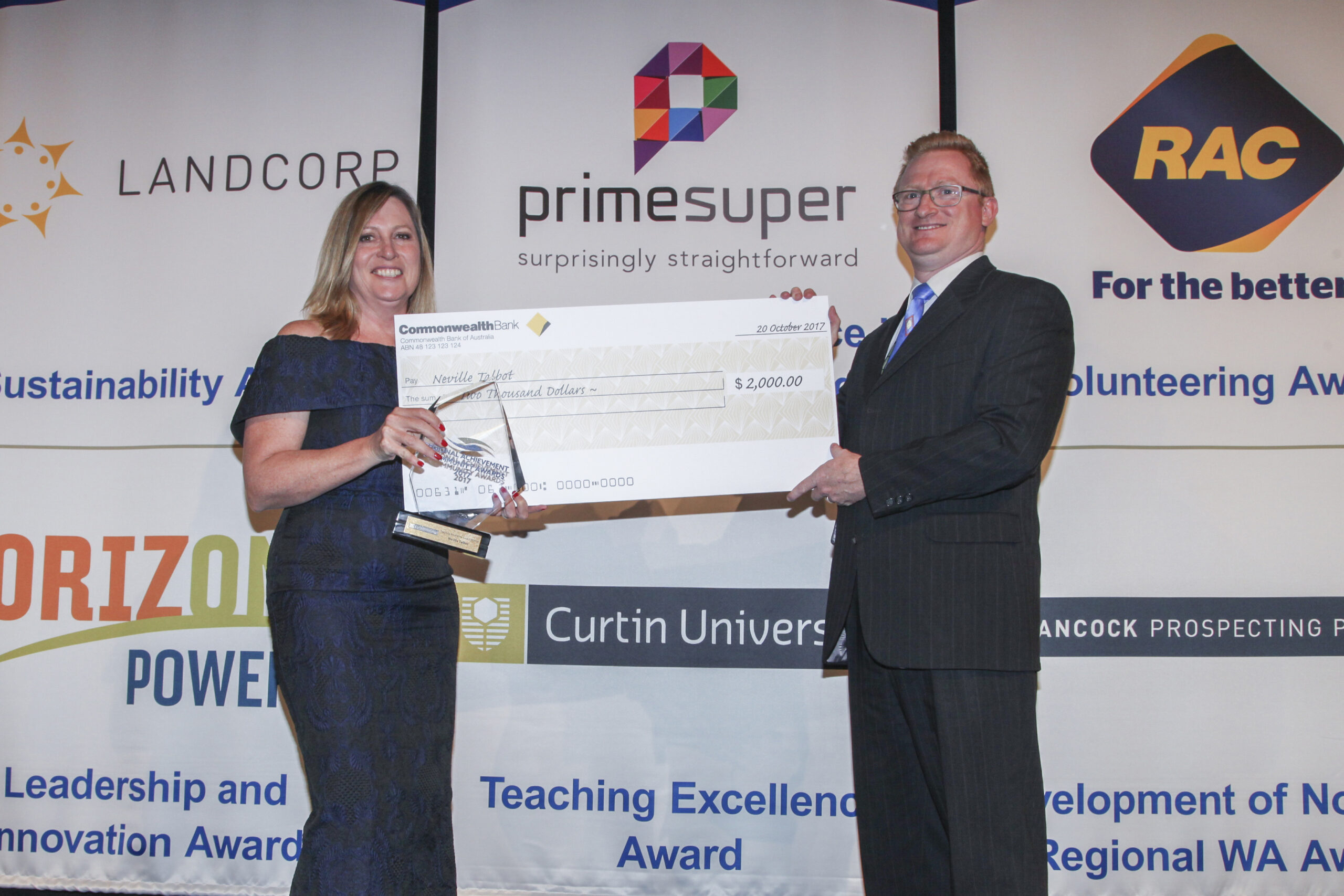
Neville Talbot was a recipient of a RAF Project Grant through the Australian Government’s Regional Arts Fund, delivered in Western Australia by Regional Arts WA. Neville received funding for a pilot development program for aspiring conductors in the Great Southern Region to build the skills needed to lead community music groups across a range of genres, combining structured coursework with practical, on-the-podium experience. Neville’s initiative offers a hands-on pathway to strengthen regional music leadership and capacity. Find out more about our funding opportunities.
Photos provided by Neville Talbot
Posted in Artist of the Month, Funding Recipients, Great Southern, News & Stories.