 Regional Arts WA
Published on
Regional Arts WA
Published on
As we move into Makuru, the coldest and wettest time of the year, it’s hard to ignore that May has felt unusually dry. There’s a chill settling in though, and the autumn colours, especially from our deciduous trees, are a gentle reminder that winter is just around the corner.
May has been a big month for listening, sharing ideas, and connecting across the sector. Our team has been involved in a series of national conversations about the future of arts and culture in Australia, making sure regional voices are part of the story.
As part of this work, Regional Arts WA has put forward a submission to help shape the next National Cultural Policy. A key priority for us is ensuring a strong regional, rural and remote lens is embedded across every pillar of the policy. Alongside this, we’ve highlighted the ongoing importance of Community Arts and Cultural Development (CACD). It’s something that’s deeply embedded in regional communities and continues to play a powerful role in bringing people together; whether that’s contributing to Closing the Gap, strengthening community connections and supporting positive mental health outcomes, or ensuring people not only have access to the arts but real opportunities to create, express and actively participate in the cultural life of their communities.
Looking ahead, we’re keen to see CACD recognised not just as a practice, but as a key way of working; one that supports meaningful engagement on the ground. We also see real opportunity to strengthen training pathways so emerging practitioners can build sustainable careers in this space.
Our advocacy has focused on a few key priorities:
- Making sure rural, regional, and remote Australia is built into every part of the policy
- Securing long-term, sustainable funding for organisations so they can grow and lead with confidence
- Supporting the regional cultural workforce through leadership development and clear career pathways
- Investing in the systems and infrastructure that make creativity possible—like digital access, venues, and housing
- Backing First Nations-led cultural practice on Country
- Strengthening regional networks, including WA’s Regional Arts Network
- Exploring ways to improve income stability for artists living and working in regional areas
Closer to home, we held our Annual General Meeting on 20 May. I’m really pleased to share that Clancy McDowell will continue on the Board for a second term, and we’re delighted to welcome Katelyn Whitehurst as a new Board Director.
Katelyn is a Wardandi and Menang Noongar woman and proud saltwater woman, with a deep connection to ocean and Country. Her work is grounded in culture, community, and storytelling, and she brings a strong passion for supporting Aboriginal artists and cultural continuity. Through her role with the Aboriginal Art Centre Hub of WA, she supports artists across regional and remote communities and contributes to nationally recognised outcomes. We’re excited to have her insight and leadership on the Board.
At the same time, we say thank you to our Deputy Chair, Leslie Wilkinson, who steps down after six years of incredible contribution. Leslie’s generosity, knowledge, and commitment have made a lasting impact, and she will be greatly missed. We’ll confirm RAWA’s Office Bearers and roles at our next Board meeting in June.
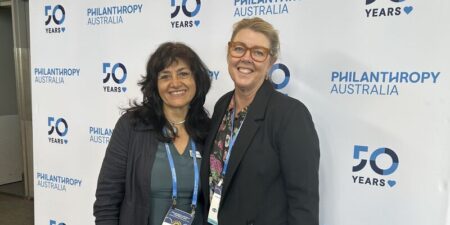
I also had the chance to attend Philanthropy Australia’s State of Philanthropy Insight Series, which highlighted some important shifts happening across the sector. It was encouraging to see a growing push for more flexible, untied funding, something that can really help organisations respond to local needs in a more agile way.
One of the highlights this month has been hearing the positive feedback from our Outback Prac program. It’s fantastic to see the program continuing to grow and support the next generation of creatives through hands-on, place-based experiences.

Since 2024, we’ve supported university students’ Work Integrated Learning (WIL) placements in Regional Arts Network organisations. This year, six students have been placed with organisations including Gardiner Street Arts Collective in Moora, Arts Narrogin, The Cannery Arts Centre in Esperance, Denmark Arts Council, and Arts Margaret River. Our Outback Prac program builds capacity in regional communities while giving emerging practitioners real opportunities to connect, learn, and start their careers. Outback Prac is supported by the Regional Arts Fund, Minderoo Foundation, and The Ian Potter Foundation. Please check insights and learnings here.
We would also like to share that we have recently finalised a guide titled Ethical Use of AI in the Regional Arts Sector. Developed to support artists, arts workers, and small organisations, the guide helps navigate both the opportunities and challenges of generative AI.
Building on Creative Australia’s principles and research, we have tailored this resource specifically for regional artists and creatives, making key guidance more visible, and accessible to our members and subscribers. It offers clear, practical advice on ethical, culturally respectful, and artist-centred use of AI.
The guide will be released shortly, please keep an eye out on our socials!
And if you’d like to see more of what we’ve been up to, our latest Annual Report is now available on our website.
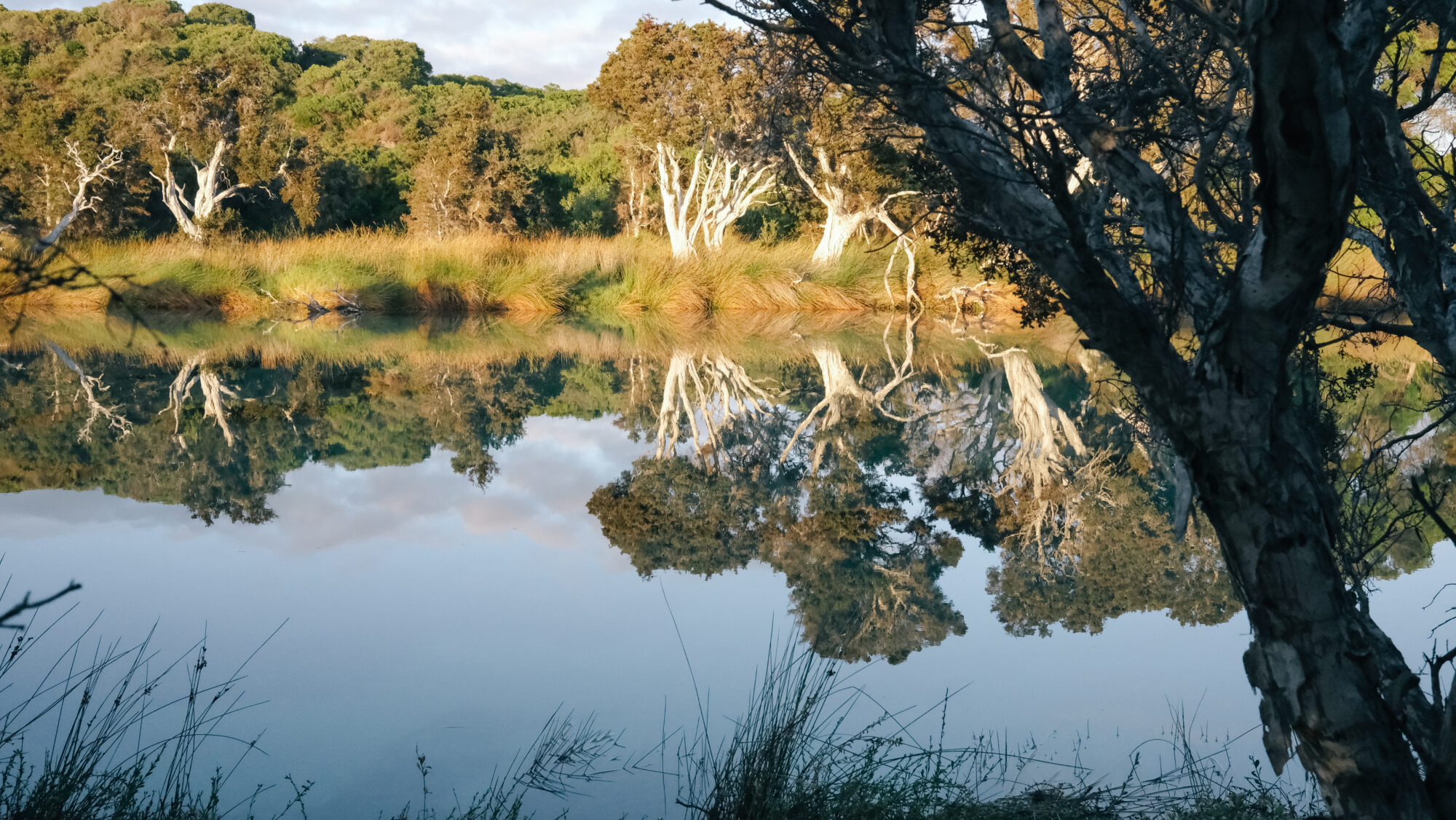
Header image: Wilson inlet (Denmark, Great Southern). Photo by Sophie Matthewson.
Posted in CEO Update, News & Stories.