 Sophie Mathewson
Published on
Sophie Mathewson
Published on
Artist of the Month: Halim Mellick
With the AFL Grand Final looming, conversations across the country inevitably turn to premiership calculations and, here in the west, whether this might finally be Fremantle’s year. It seems an appropriate moment then, to turn the lens towards an artist responsible for preserving some of the players’ most enduring images.
Award-winning sports photographer from Rubibi / Broome, Halim Mellick, has established himself as one of Western Australia’s most compelling visual storytellers. His photographs have adorned the covers of national publications, earned recognition at the World Sports Photography Awards, captured an AFL Grand Final, appeared in Nike’s House of Hoops campaign and, in one memorable instance, became Christian Petracca’s Instagram profile picture for several seasons.
Yet, for someone whose career has unfolded on the boundary line of elite sport, Halim is remarkably uninterested in tribalism. “Fremantle is my ‘home’ team”, he says, “But to be honest, when I’m watching a game, I’m mostly interested in the stories.”
For Halim, the game has always been incidental. What matters is the story unfolding within it. Elite sport compresses emotions like triumph, disappointment, identity, and ambition into moments so brief they can disappear before most people have registered them. But through Halim’s lens, those fragments of human experience are afforded a permanence that invites closer scrutiny long after the siren has sounded.
Quarter 1: Home Ground
To understand Halim, it helps to understand the place where he was born and raised – the humid north of WA, in Rubibi / Broome. Few regional towns in Australia have been shaped so profoundly by culture and commerce, so a brief side note is warranted.
In the early 1900’s, while the rest of Australia was busy closing its doors as part of the White Australia Policy, Rubibi / Broome’s pearling industry simply couldn’t afford to. The pearling fleets relied on the experience of the Japanese, Malay, Chinese, Filipino, Timorese and Aboriginal divers, whose knowledge had accumulated over generations and could not be replaced overnight. Pearling masters argued the industry would collapse without them, and the Commonwealth eventually conceded, allowing Asian workers to remain under tightly controlled contracts despite the prevailing mood of exclusion elsewhere in the country.
That uneasy compromise endured until the Second World War when Japanese residents were interned, the fleets all but collapsed, and one of Broome’s defining industries was brought to a standstill. When pearling began to recover in the mid-1950s, Japanese divers once again returned to the north to rebuild it.
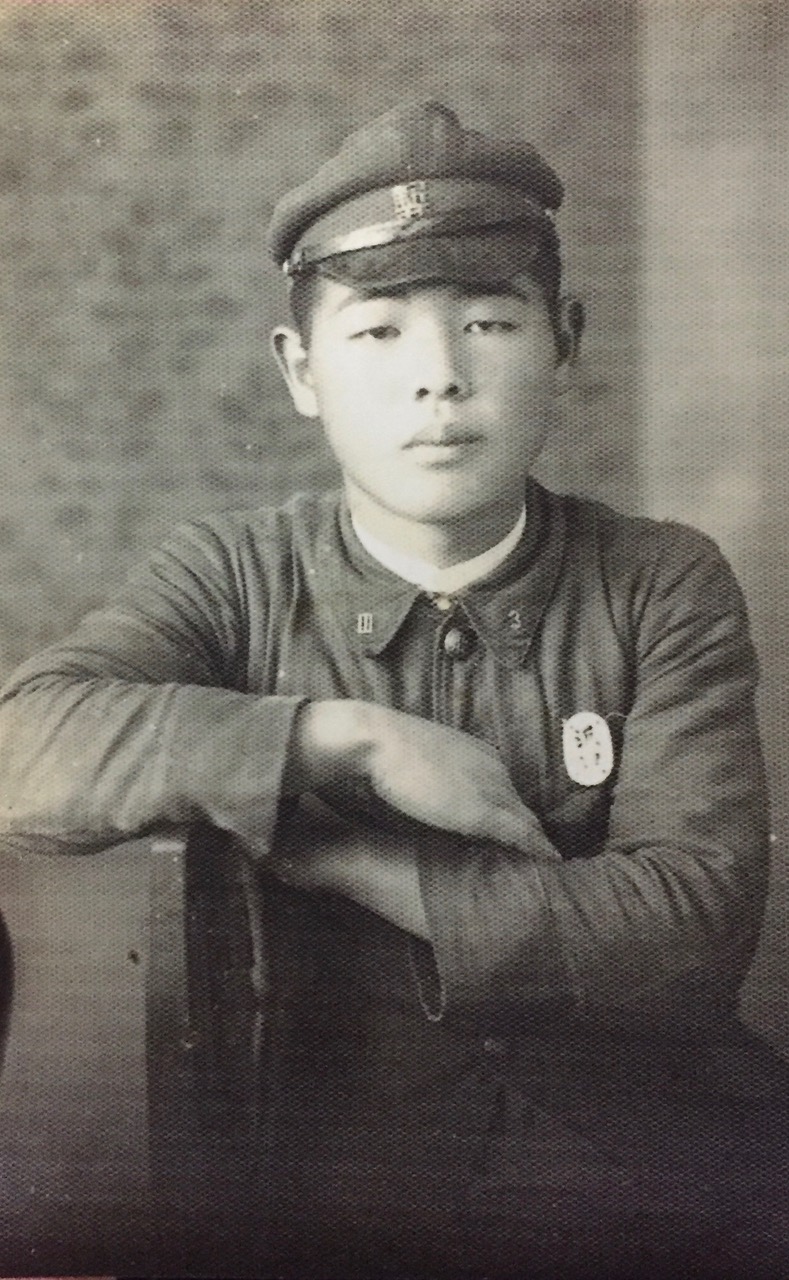
Halim’s family history sits squarely within that chapter. His grandfather, Hiroshi Hamaguchi (known simply as “Hama” around Rubibi / Broome), arrived in 1955 as one of the young Japanese divers recruited to help rebuild the pearling industry. He would later meet his wife, establish Hamaguchi Pearls, raise six sons, and become one of the key figures associated with the town’s pearling story.
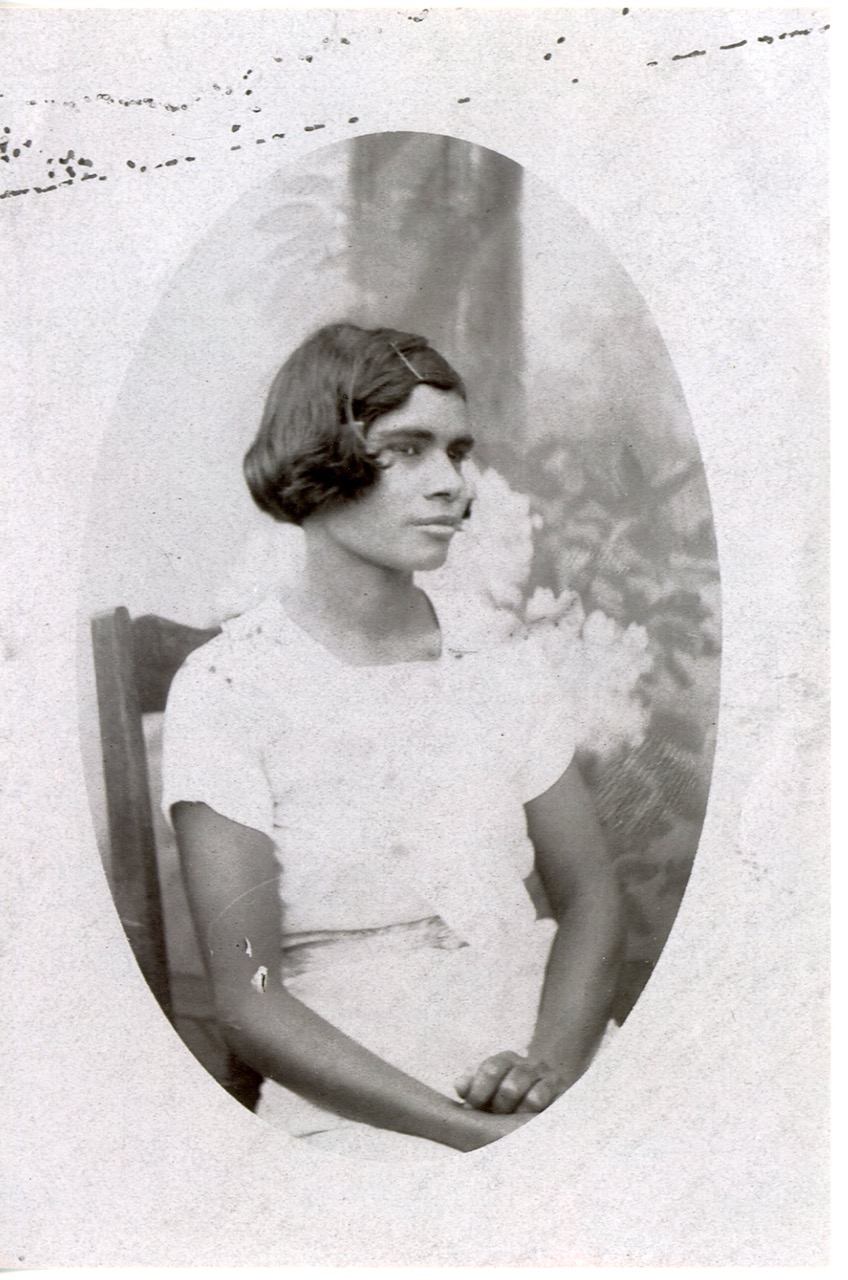
The other branches of Halim’s family tree tell more stories of Rubibi / Broome’s heritage, where the town’s celebrated multiculturalism sits alongside a much darker history of colonisation and dispossession. His great-grandmother, Barbara Lynott, was taken from Ruby Plains as a child as part of the Stolen Generations and placed in the Catholic mission at Beagle Bay. Years later, working in a noodle shop, she met Jimmy Chi Senior. Their daughter, (Halim’s Nana Pearl) inherited Aboriginal, Japanese and Chinese heritage.
Even Halim’s Middle Eastern name carries another migration story. He was named for a great-uncle on his mother’s side, who left Lebanon for Sydney by boat at 13, accompanied only by his 15-year-old brother.
The family’s creative lineage is just as layered. Pearl’s half-brother, Jimmy Chi Jr, was the musician and playwright who wrote the original Bran Nue Dae, the landmark stage musical that drew on life in Broome and later became a feature film. Halim’s aunty, Ningali Lawford, also appeared in the 2009 film adaptation.
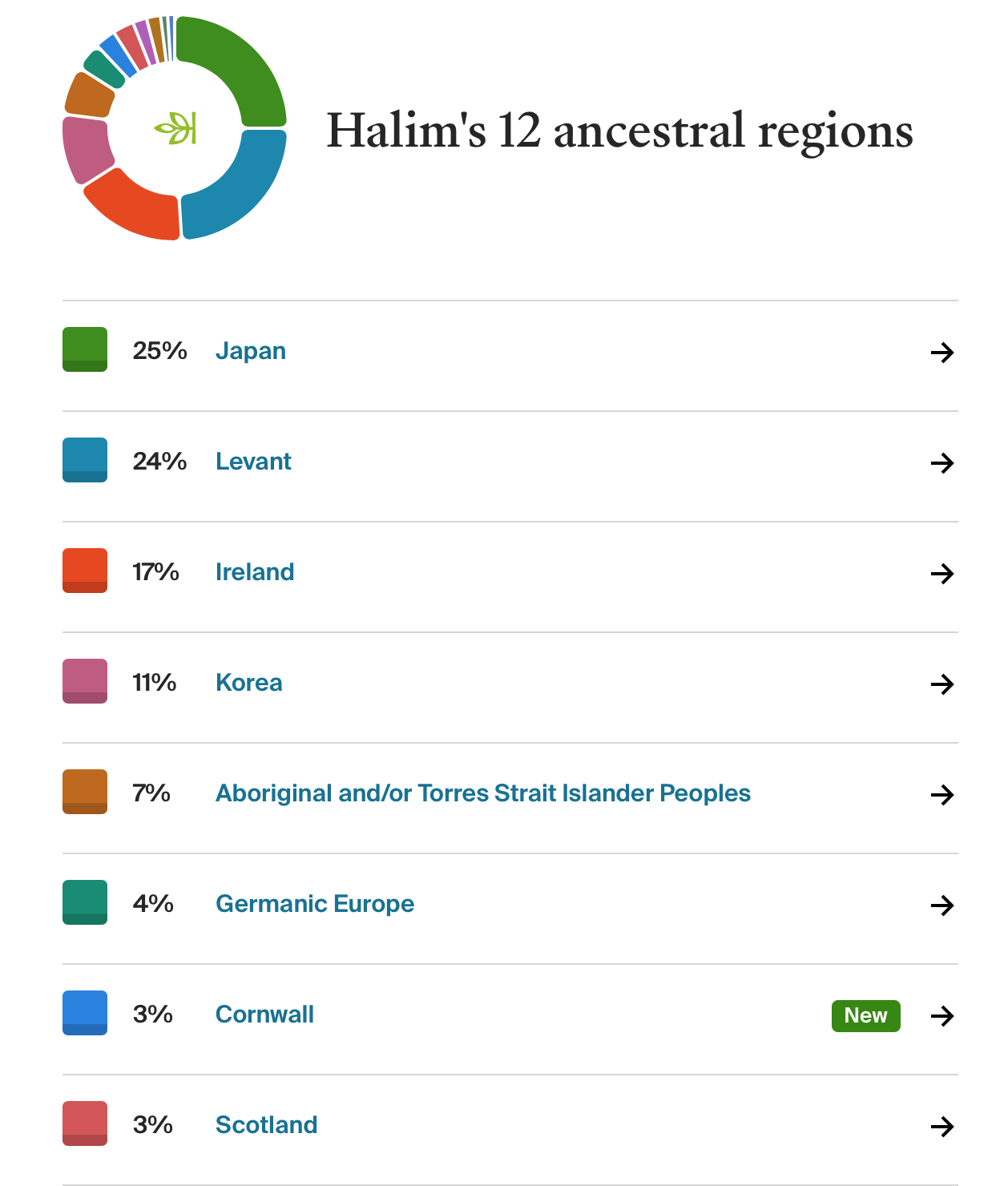
Japanese, Aboriginal, Chinese and Middle Eastern histories; pearlers, artists, and people who crossed oceans or were forcibly removed from Country. Halim is a product of all of it.
“According to my DNA I’m more Japanese than Aboriginal,” he says. “But growing up in Broome, I definitely feel more Aboriginal. That’s my connection to Country.”
Quarter 2: Finding his Feet
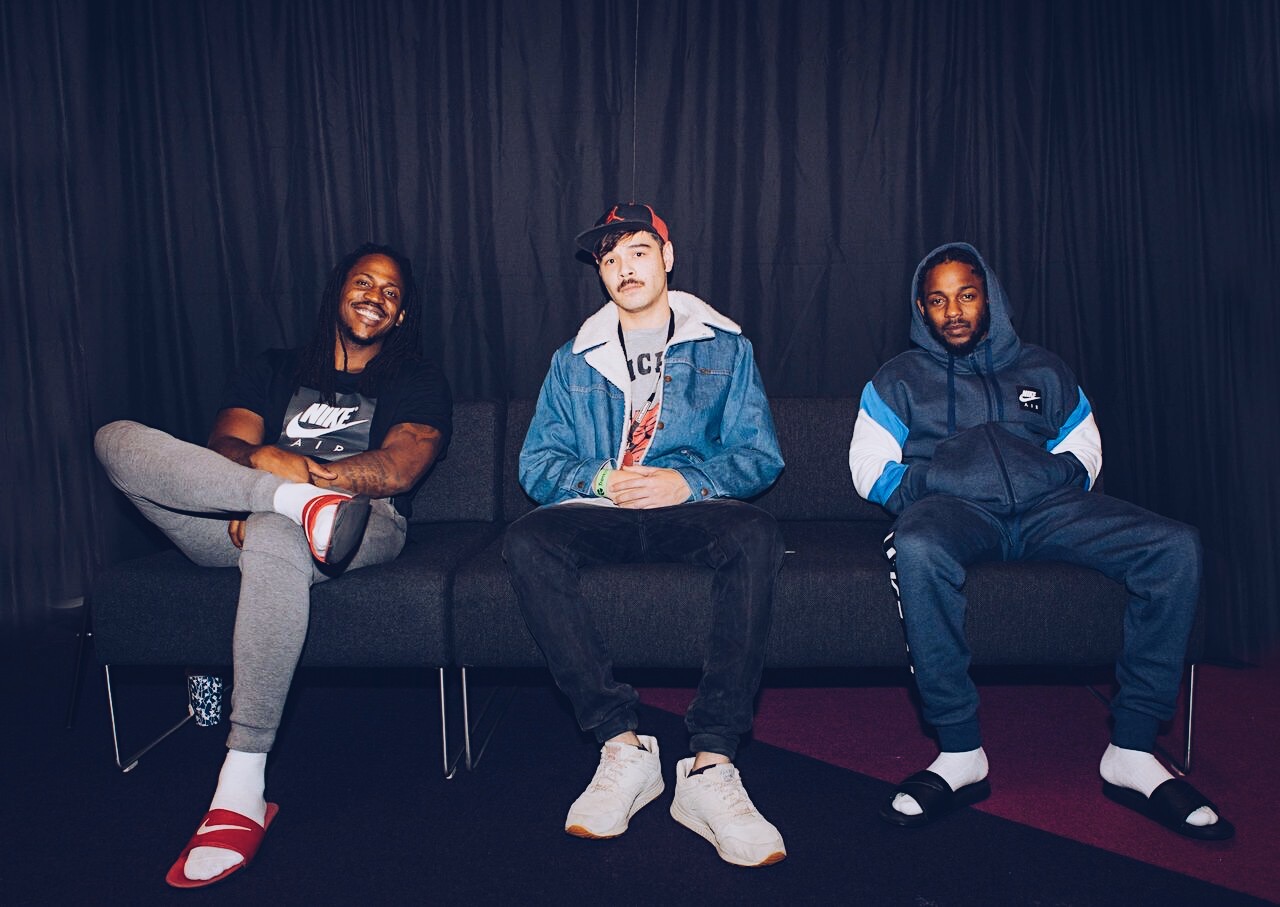
Photography wasn’t an obvious inheritance for Halim, and the expectation (at least for a time), was that he might follow generations of Hamaguchi’s into pearling. Instead, Halim gravitated towards Hip Hop and BMX counter cultures, photographing friends and sending images to magazines, before later documenting Perth’s live music scene after his family relocated south.
“My mum bought my first camera,” he says. “She bought it when I was born and took all my baby photos on it before giving it to me. And I’ve still got my grandfather’s Nikon from 1959. That’s probably my favourite camera.”
When Halim was 13, tragedy altered the family’s trajectory. After the death of his younger half-brother, his mother Josephine and stepfather Simon Stewart left Rubibi / Broome for Boorloo / Perth in search of a fresh start, and the subjects in front of Halim’s lens changed almost overnight. BMX tracks gave way to music venues as school friends formed music groups and Halim became the unofficial photographer, learning to work with dim light and the unpredictable pace of live gigs.
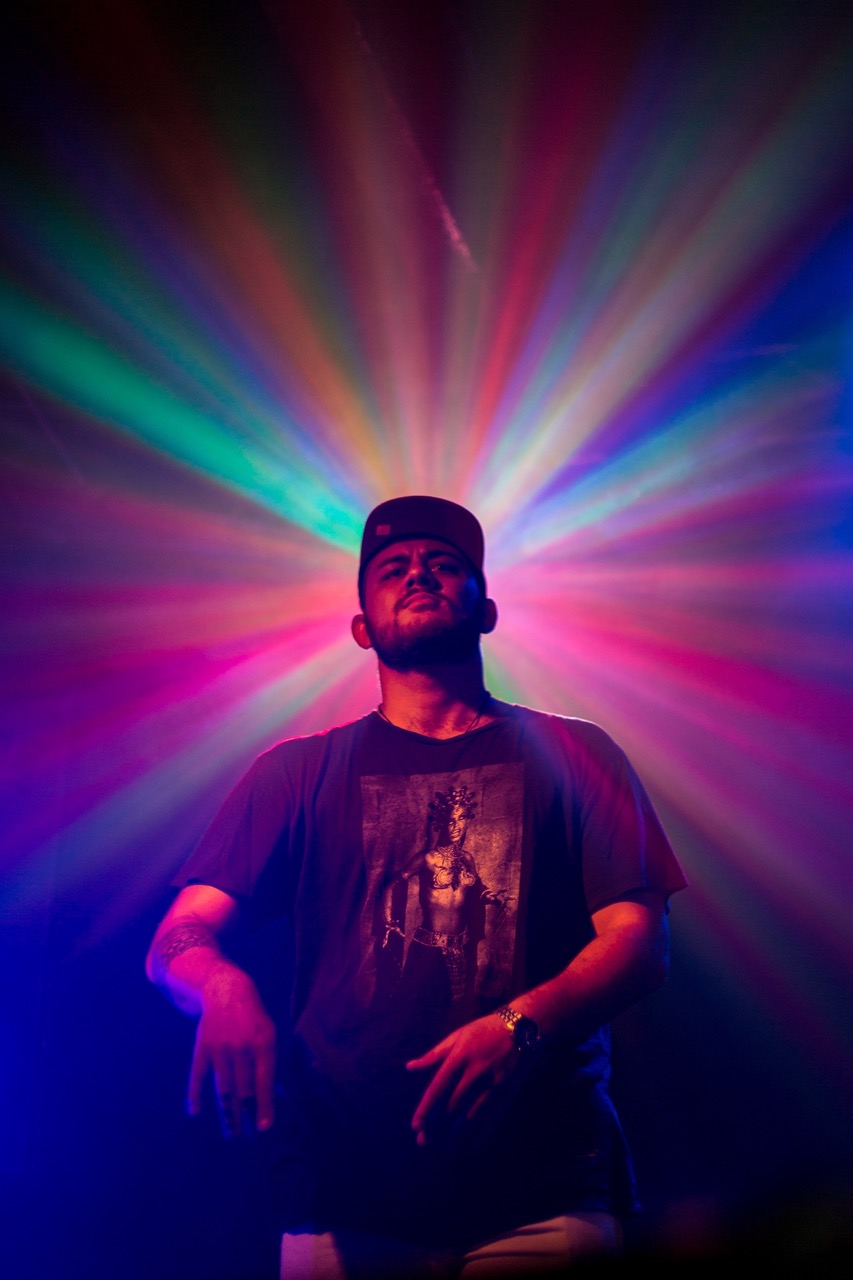
Those years became something of an apprenticeship for Halim, developing both his technical skills and an instinct for recognising a moment just before it disappeared.
Quarter 3: Eyes on the Ball
Basketball inevitably became the intersection of Halim’s greatest interests: photography and people. There’s the energy and visual culture of the game, but also the stories of where players had come from, what they had overcome, and the almost obsessive discipline required to become very good at something.
It perhaps explains why his interest in the NBA has never been particularly tribal. Halim’s passion for the NBA (like AFL), is about the players’ stories rather than the game itself. He speaks about Giannis Antetokounmpo’s extraordinary journey from an undocumented child in Greece to one of the NBA’s defining players, and is fascinated by the resilience that carried him there.
That same curiosity about people shapes the way Halim works behind the camera.
“When I’m watching a game, I see different storylines play out in my head,” he says. “If it’s a close game, you want the winning team celebrating and the losing team looking defeated. But you don’t know who’s going to win, so you have to prepare for both and capture everything.”
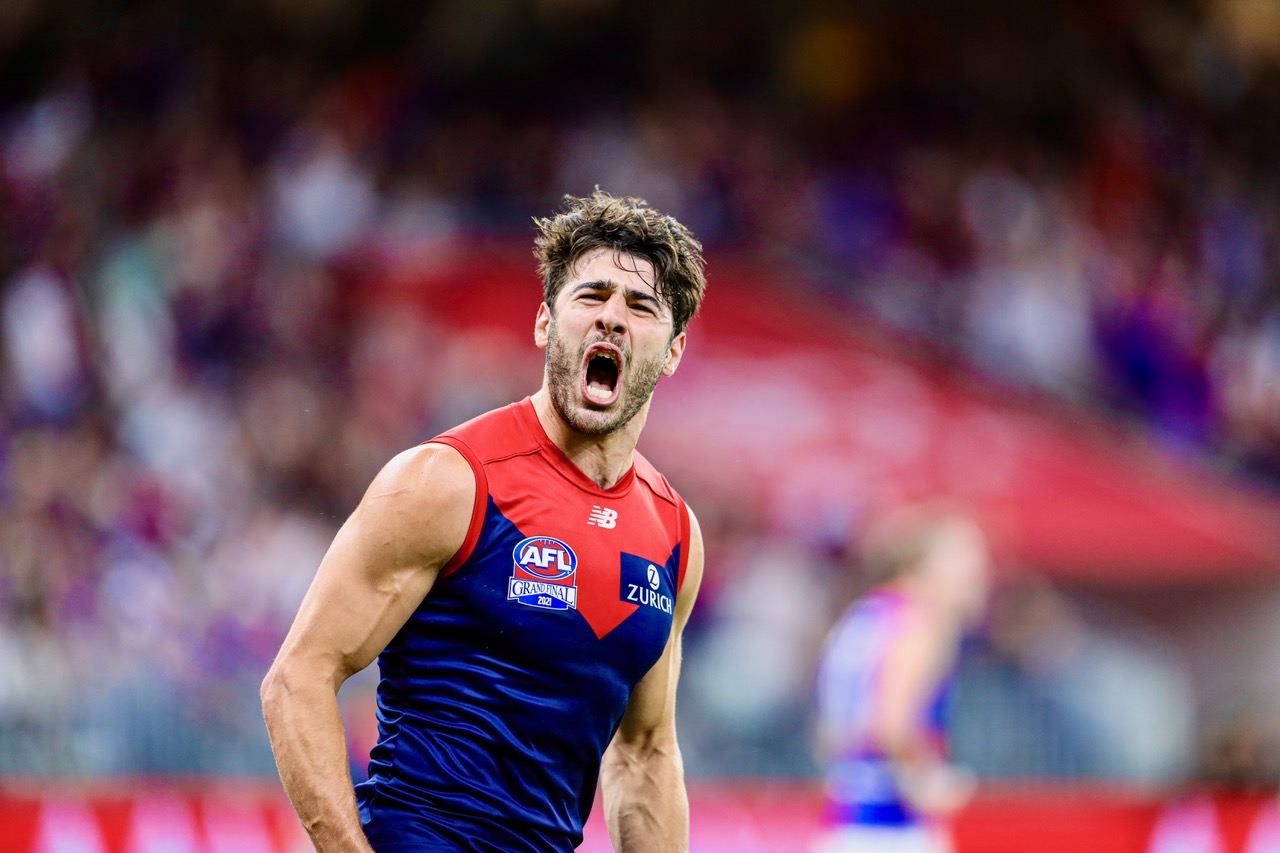
In 2021, Halim found himself photographing the biggest game of his career when the AFL Grand Final arrived in Perth during the COVID-affected season. One image that Halim captured that day (snapped moments after Christian Petracca kicked his second goal), shows the Melbourne midfielder charging directly towards the lens, eyes fixed on the camera in a fleeting moment of pure exhilaration. Christian Petracca would later adopt the photograph as his Instagram profile image, where it remained for several seasons.
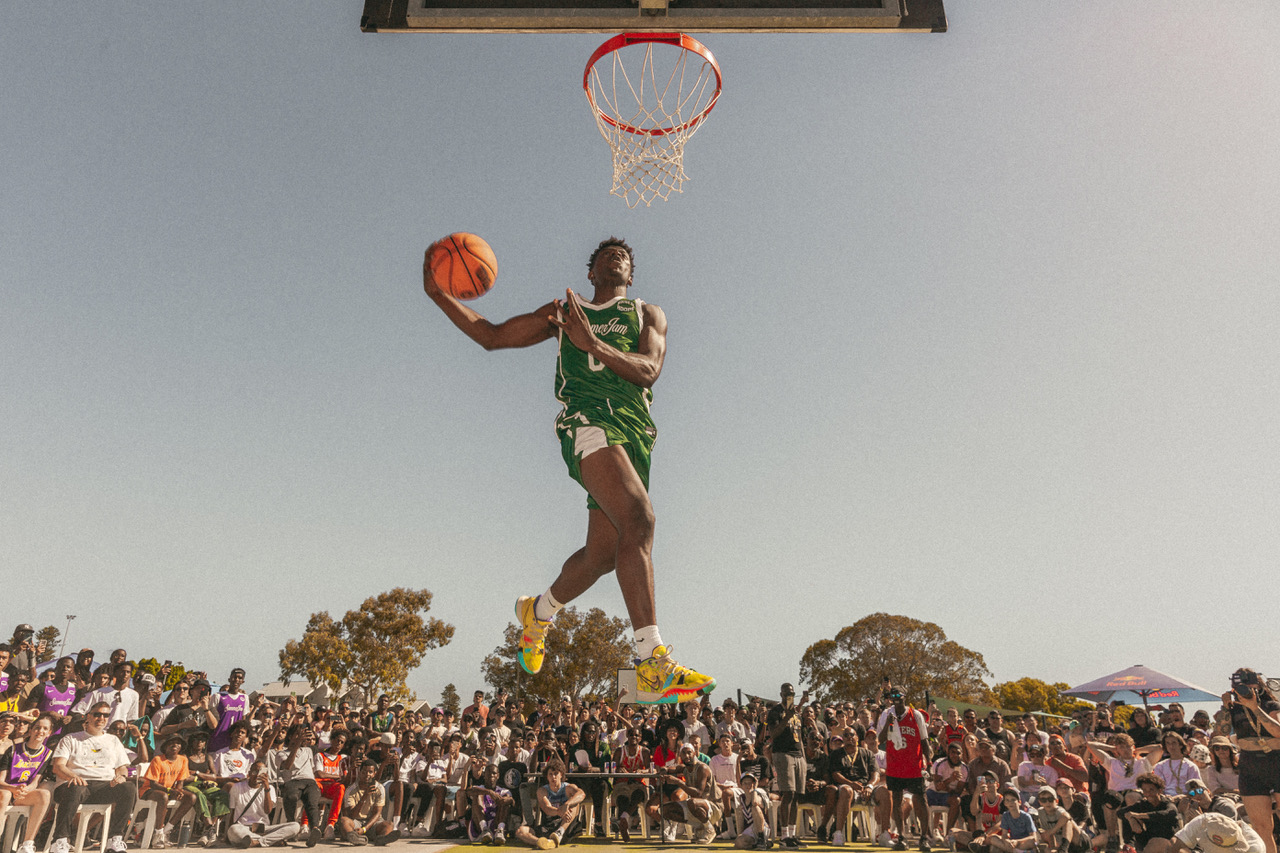
Another career-defining image arrived courtside with his award-winning photograph of basketballer Johnny Lutula. It’s an incredible image screaming to be mounted behind glass and framed. The athlete hangs above the rim, while beyond him a sea of spectators instinctively raise their phones all trying to capture the moment. The photo earned a Special Merit at the World Sports Photography Awards before catching the attention of Nike, who licensed the photograph for its House of Hoops campaign in Foot Locker stores.
Quarter 4: The Long View
Earlier this year, Halim walked away from the security of his full-time sports photography role at Seven West Media to freelance. Like most creative leaps, it was equal parts exhilarating and terrifying, but mostly Halim is happy he has allowed himself the artistic freedom.
As a freelancer, his work takes him from regional Western Australia to Perth’s sporting arenas and back again, working on commercial assignments while steadily building a practice on his own terms.
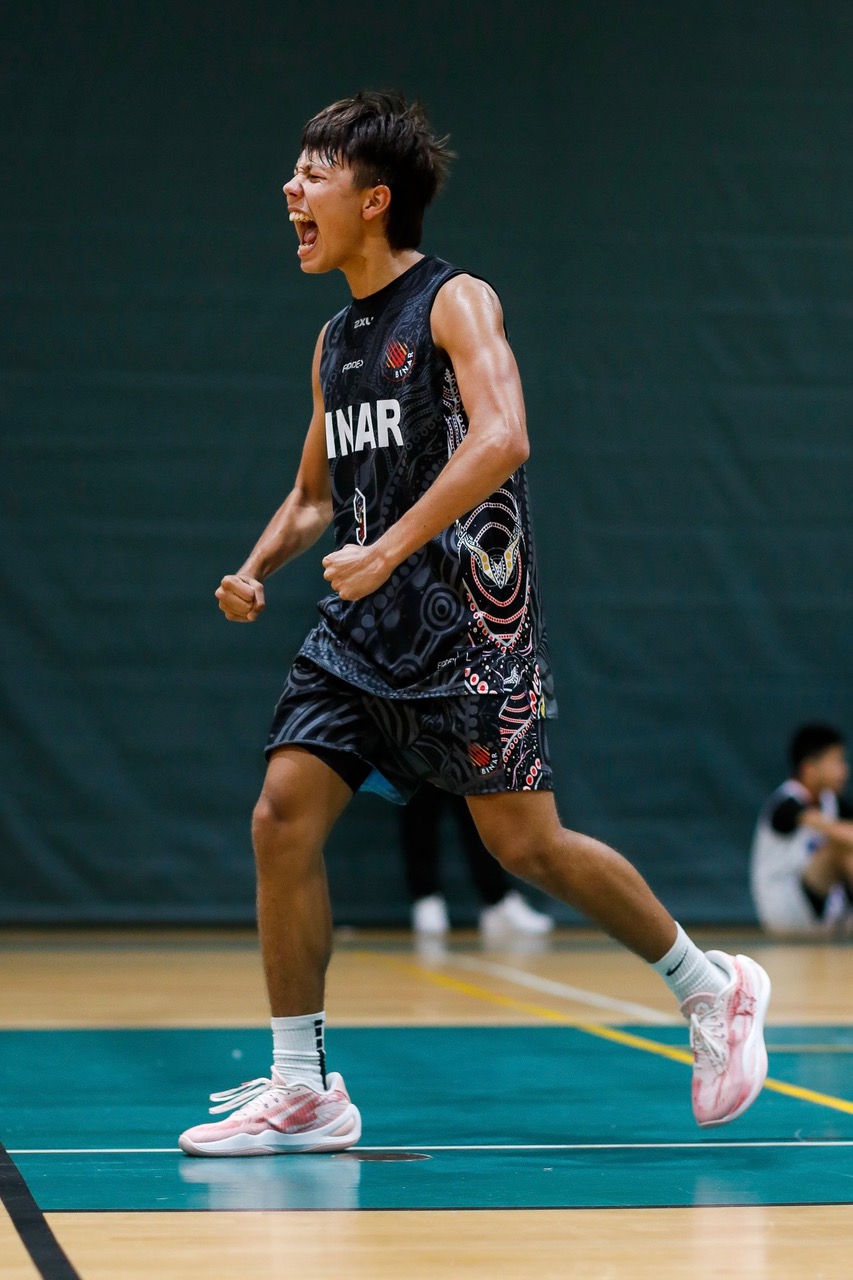
Through the Community Arts Network and Indigenous basketball organisation Binar, Halim has also found himself mentoring young creatives and athletes, travelling with teams to the Asia Pacific Cup in Singapore and helping young people turn their music into films.
More recently, another subject has found its way into his viewfinder. Halim and his partner recently discovered a fledgling magpie being attacked by adult birds at their home. They intervened, expecting to hand it to a wildlife carer, but instead watched over several days as what they believe was its mother returned to feed it before the young bird eventually launched itself from their balcony and back into the surrounding bush.
“We reunited them together,” Halim says, talking about the moment he watched it fly away.
The experience sparked an unexpected fascination with birdlife, and he began learning their calls, recognising their behaviour, and of course, photographing them along the way.
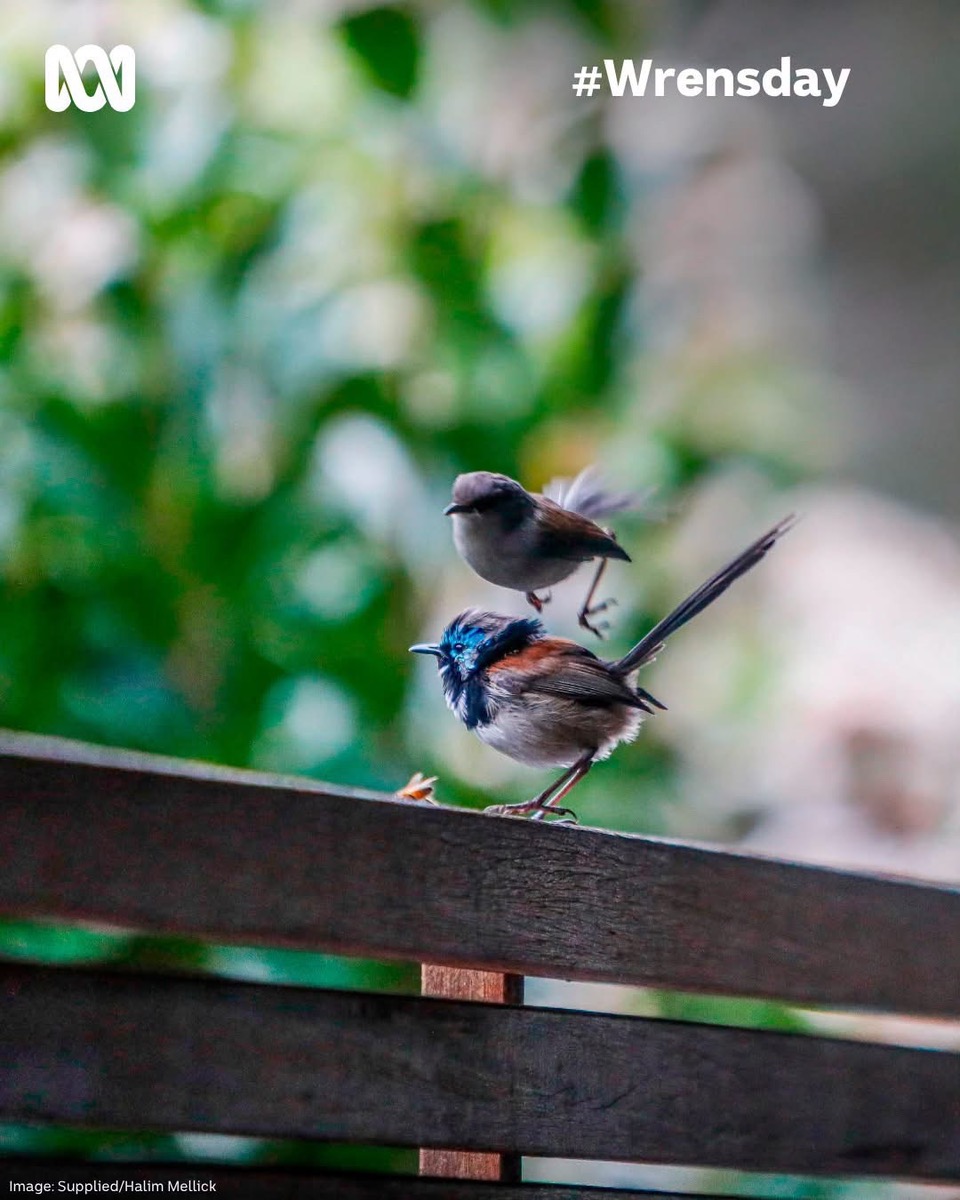
Whether the subject is Christian Petracca charging towards goal, a young basketballer suspended above the rim, or a pair of fairy wrens darting through the undergrowth, Halim’s instinct remains much the same. He looks beyond the main event, to the glance, the reaction or the small drama unfolding while everyone else is focused elsewhere.
In a few weeks’ time, another premiership will be decided. There will be a specky that ends up on the evening news, some clangers and grubbers and fans yelling at the TV, a winning goal replayed for years to come, and somewhere amid the celebration and disappointment, a moment that most of us will likely miss. Chances are, Halim won’t.

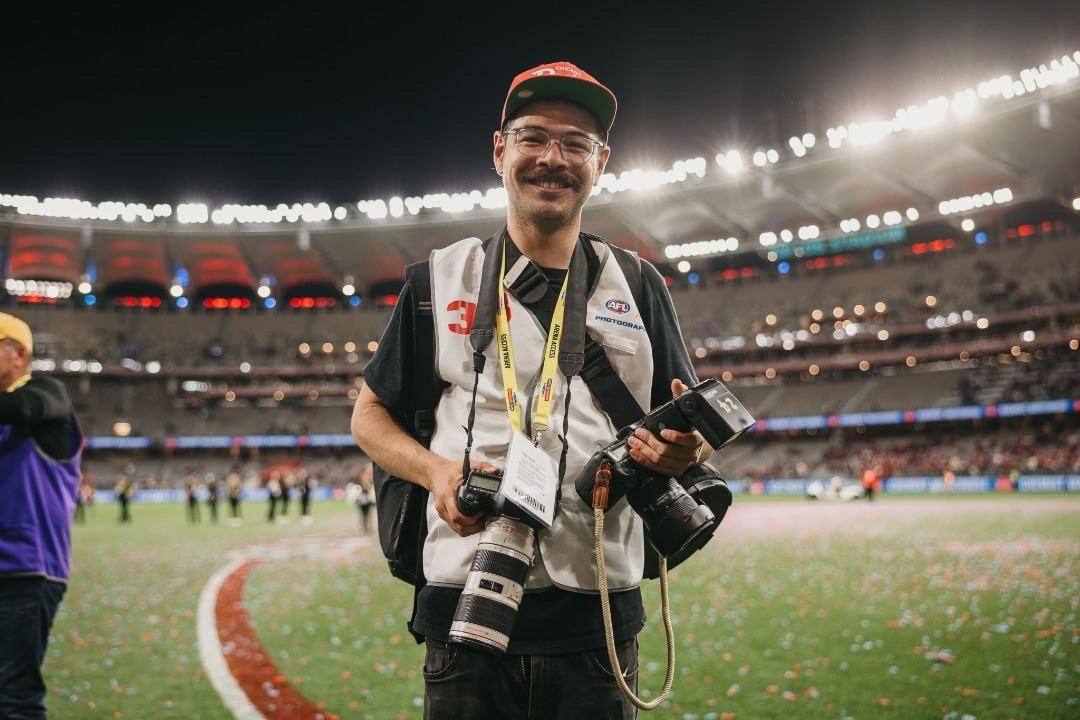
Feature image: Halim Mellick at the 2021 AFL grand final. Photo by Jarred Seng.
All photos supplied by Halim Mellick.
Posted in Artist of the Month, First Nations, Kimberley, News & Stories.