WA Creative Workforce study
Following the development and launch of the Thrive! Framework, Regional Arts WA undertook the Future Regional Creative Workforce Study, a research and development initiative examining the workforce needs of regional arts organisations and exploring pathways for tertiary students and graduates to build careers in Western Australia’s regional arts and cultural sector.
The project sought to identify practical, long-term solutions to strengthen workforce attraction, development and retention across regional communities.
What We’ve Learned
Through our research and workforce development initiatives, we have gained valuable insights into how work-integrated learning, graduate pathways and regional employment opportunities can help address workforce challenges across the sector.
Regional opportunities create strong outcomes
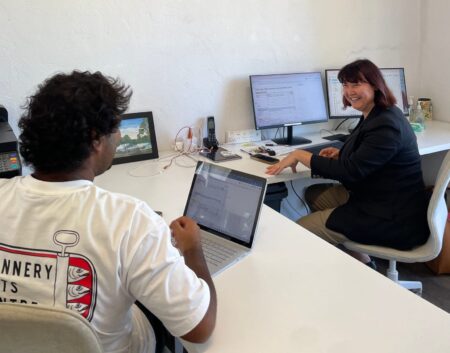
The research highlighted strong interest from both students and regional arts organisations in placement opportunities. Regional placements were consistently valued for offering:
- Hands-on experience and meaningful responsibility
- Close mentoring and professional support
- Strong connections with local communities
- Diverse learning opportunities across multiple areas of practice
Longer placements and graduate employment opportunities were also identified as important ways to strengthen organisational capacity, support workforce retention and build future leadership.
Barriers still exist
While the benefits are clear, several challenges can make participation difficult, including:
- Travel and accommodation costs
- Limited organisational capacity to host placements
- Time and resources needed for mentoring and supervision
- The need for place-based approaches that reflect local cultures, contexts and community relationships
These challenges are often more pronounced in remote and very remote communities.
The importance of connection and coordination
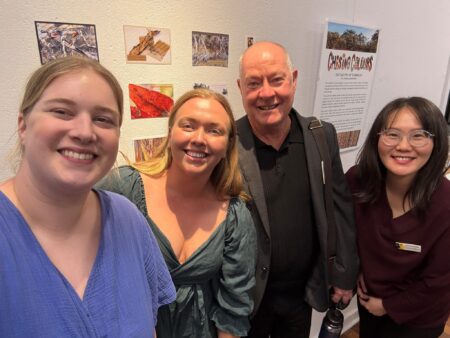
A key finding was the important role Regional Arts WA can play in connecting students, graduates and host organisations. Regional Arts WA is:
- Facilitating partnerships and placement opportunities
- Supporting culturally appropriate and community-led approaches
- Advocating for investment in regional workforce development
- Strengthening pathways from study to employment.
How we are responding
The research confirms that there is no single solution to regional workforce challenges. Work-integrated learning and graduate employment programs work best as part of a connected workforce pathway, helping people move from education into meaningful regional careers.
Regional Arts WA is providing opportunities through two programs.
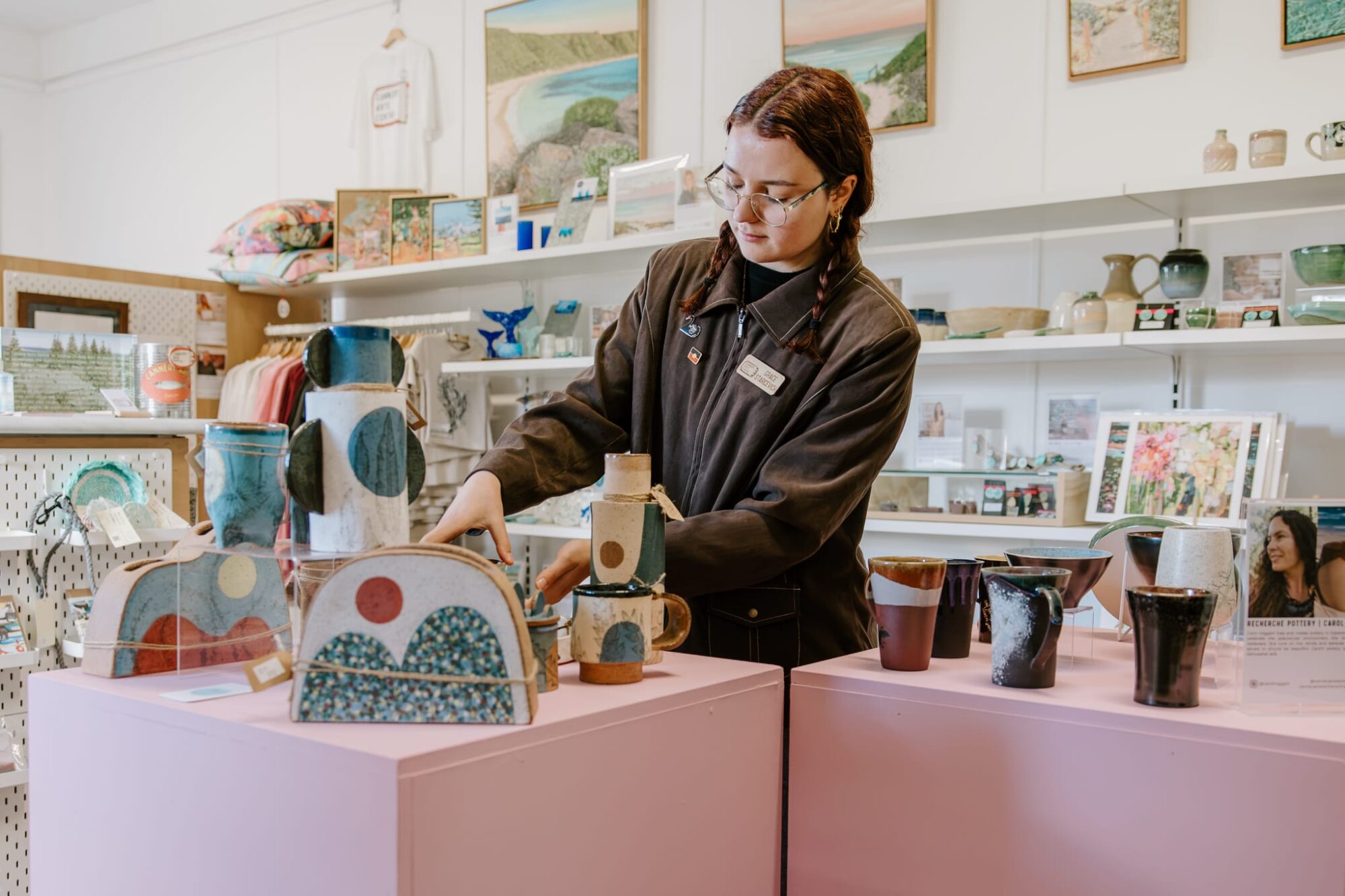
- Outback Prac – Work integrated learning placements for university students
- Cultivating Futures – a new co-designed graduate pilot program commencing in 2027 that will connect emerging arts workers with paid employment opportunities, mentoring, professional development and industry networks.
Together, these approaches can attract and retain talent, strengthen regional arts organisations, and support a thriving and sustainable creative sector across regional Western Australia.